
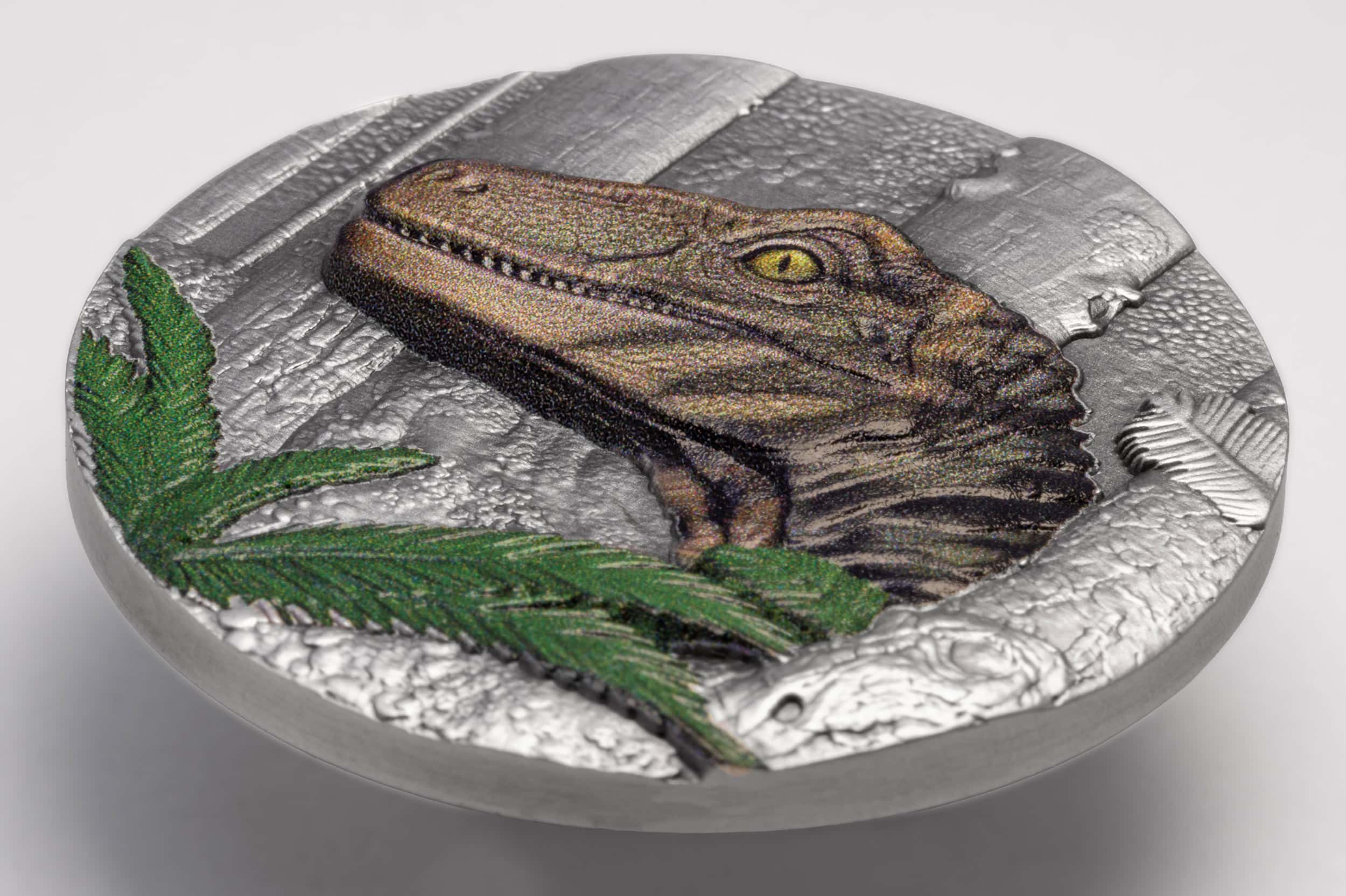

Liberia – 2026 – 10 Dollars – Velociraptor (Jurassic Life series) 1oz silver UHR Antiqued
€ 169.00
In Stock / On Backorder
CLICK HERE TO SEE THE FULL JURASSIC LIFE SERIES (POPCOINS)
| Issuing Country | Liberia |
| Year of Issue | 2026 |
| Face Value | 10 Dollars |
| Metal | Silver |
| Fineness (purity) | 999/1000 |
| Weight | 1 oz |
| Diameter | 38.61 mm |
| Quality | Antiqued |
| Mintage | 199 pcs |
| Scope of Delivery | Box Certificate |
| Special features | Color |
Description
CLICK HERE TO SEE THE FULL JURASSIC LIFE SERIES (POPCOINS)
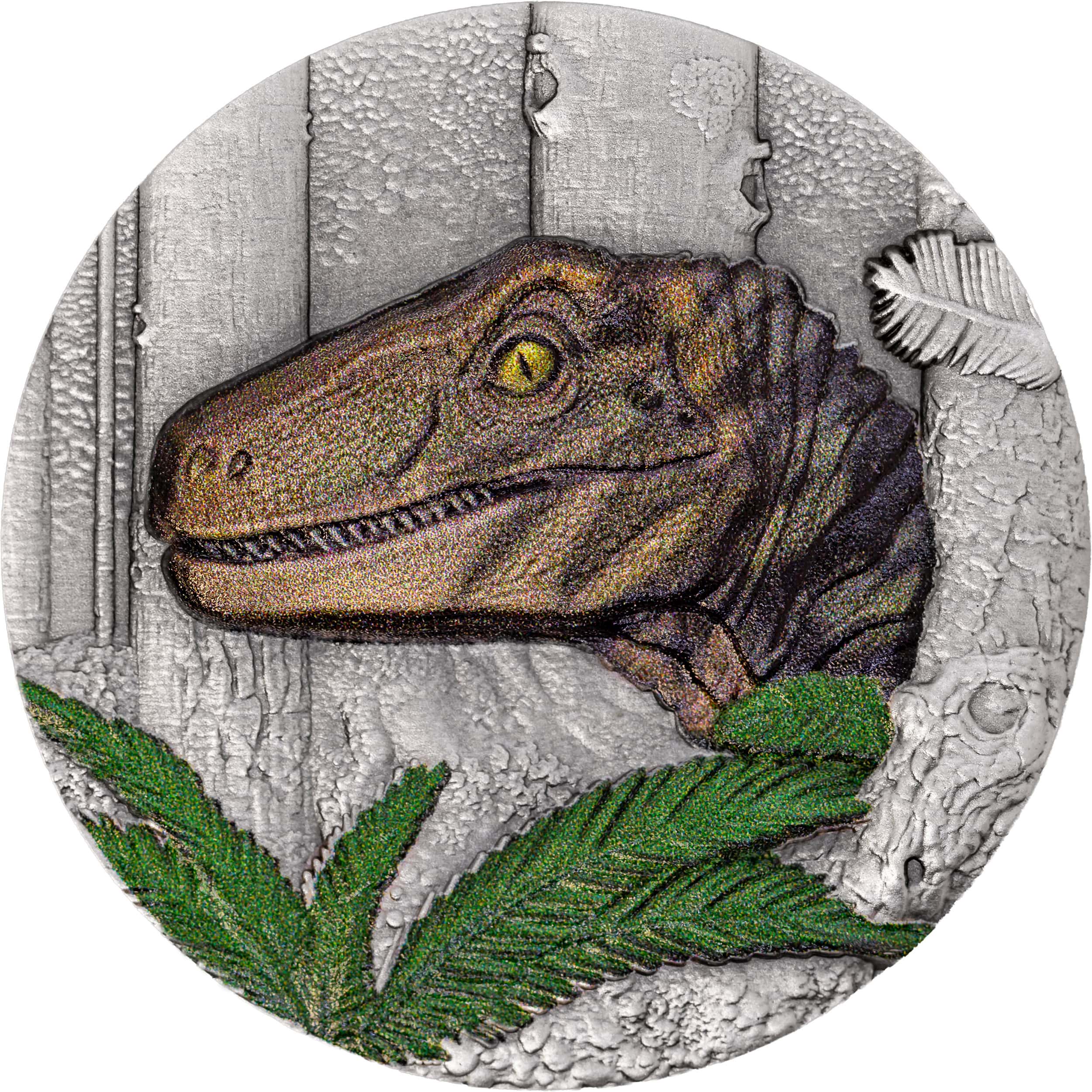
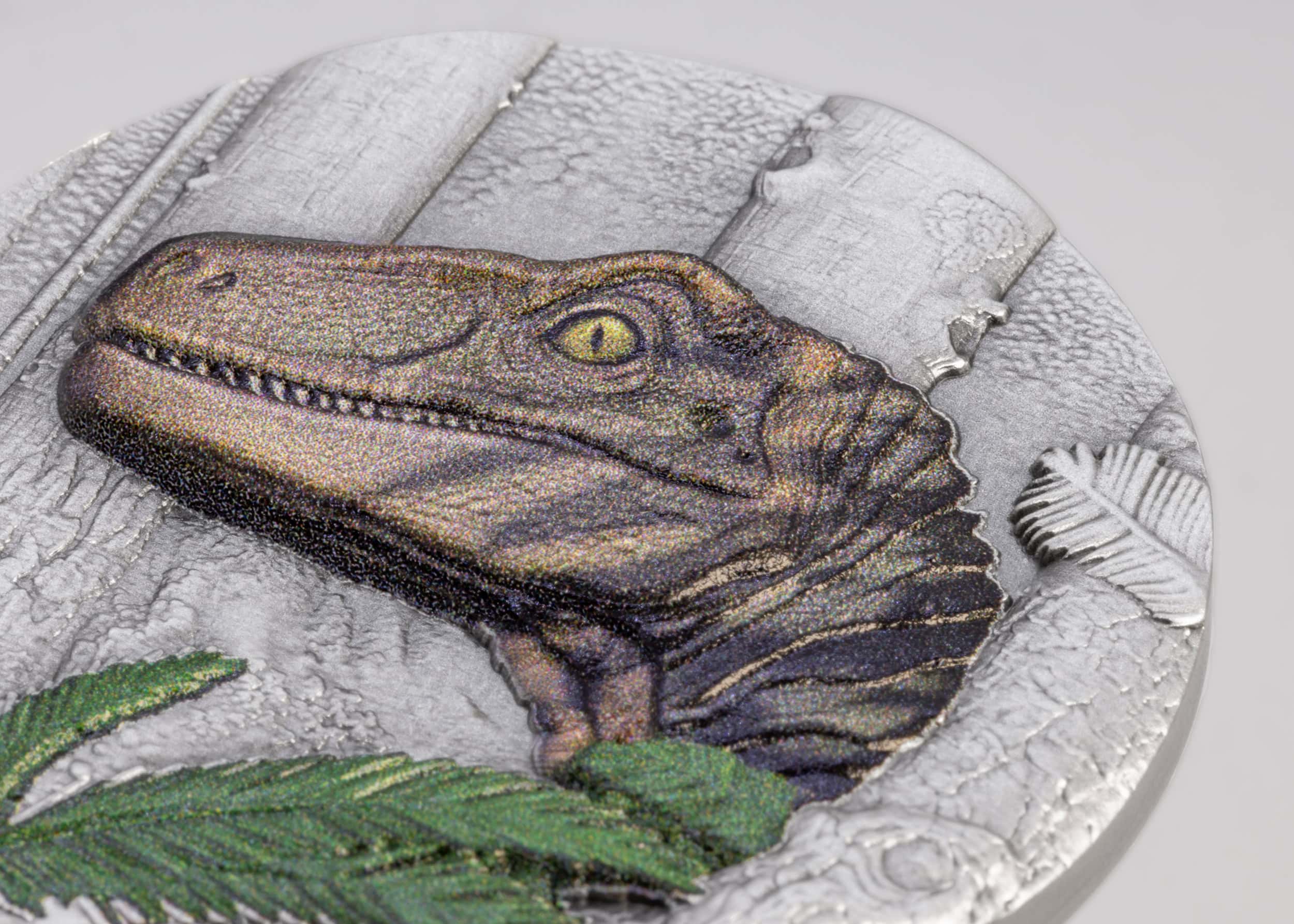
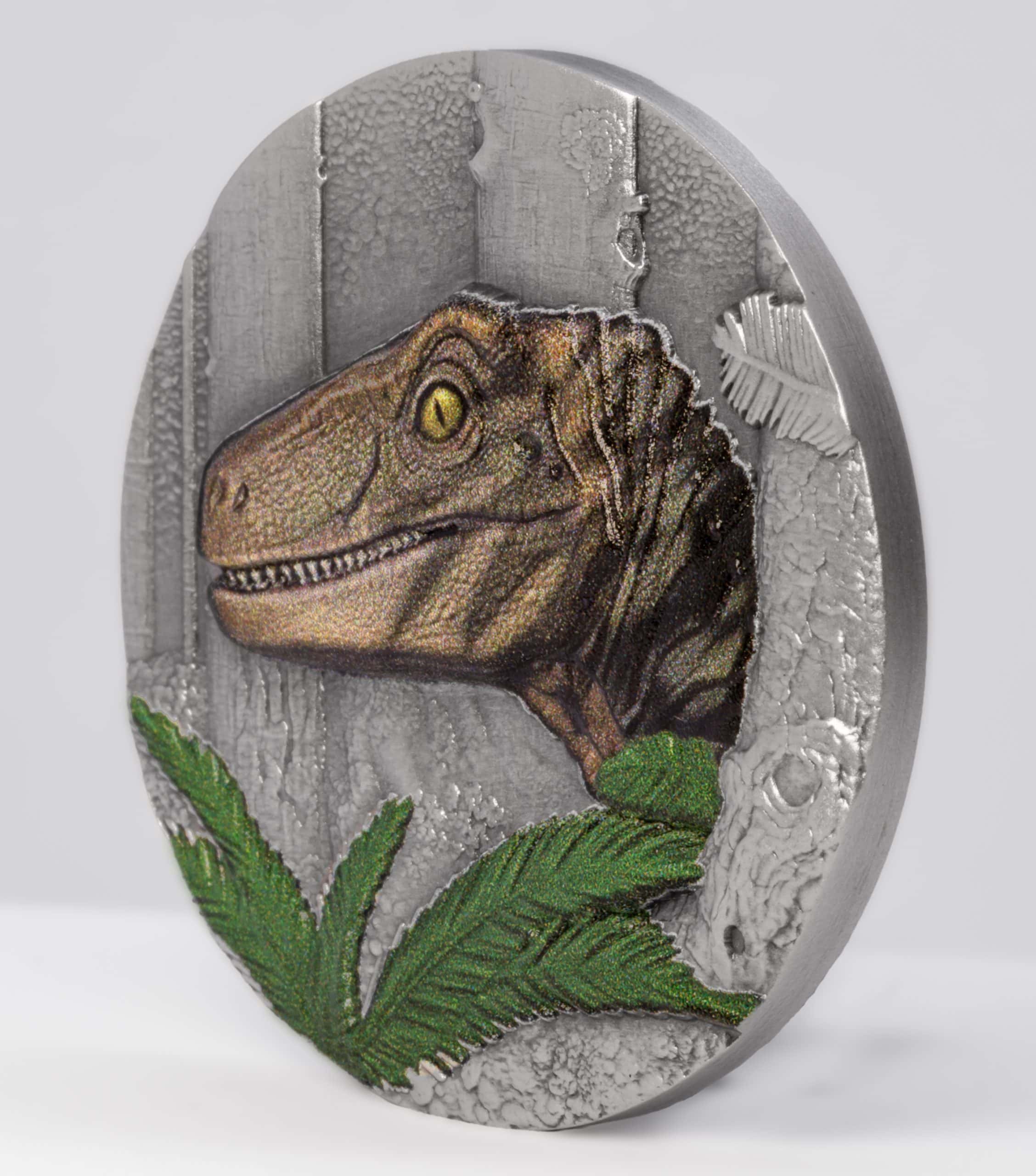
PopCoins® presents the Velociraptor issue from the popular Jurassic Life series. Struck from 1 oz of .999 pure silver in the classic 38.61 mm format, this coin brings one of the most iconic prehistoric predators to life with impressive detail and selective color. The dynamic design captures the Velociraptor in a tense moment as it carefully observes its surroundings, ready to strike.
This release also marks the first 1 oz PopCoins® NEO™ coin, launched together with the Anubis 1 oz UHR coin in the Egyptian Heritage series. (Click here for more information about NEO™.) Issued as 10 Dollars legal tender of the Republic of Liberia and dated 2026, the coin is strictly limited to 199 pieces worldwide. Each piece is presented in a protective blister pack, making it an accessible and attractive collectible for dinosaur enthusiasts and silver collectors alike. Available at PopCoins distributors worldwide.
Coin description
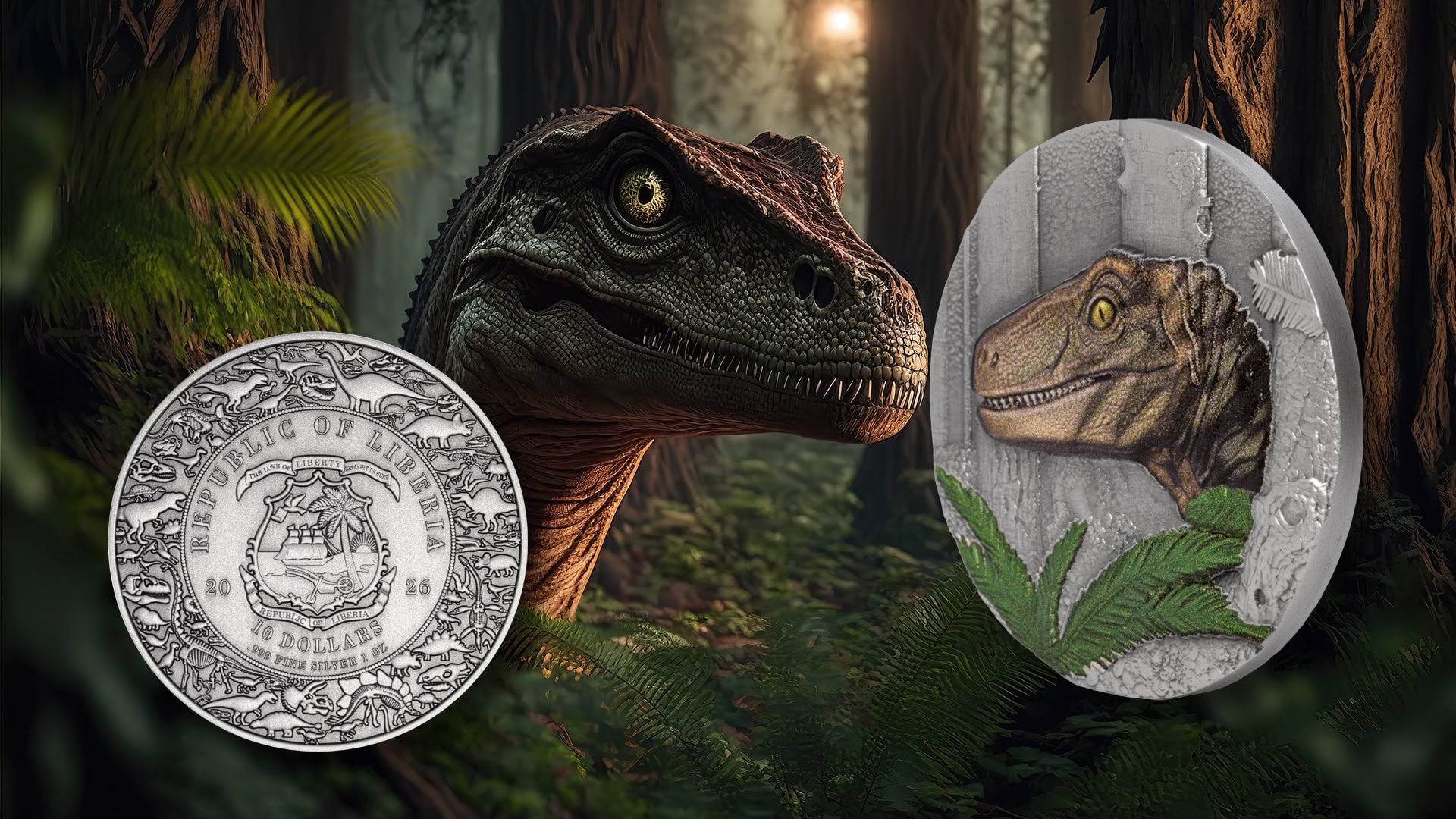
In the middle of the reverse is Velociraptor modeled in ultra high relief, partly colored and surrounded by its natural habitat. The detailed environment enhances the dramatic appearance of this agile predator.
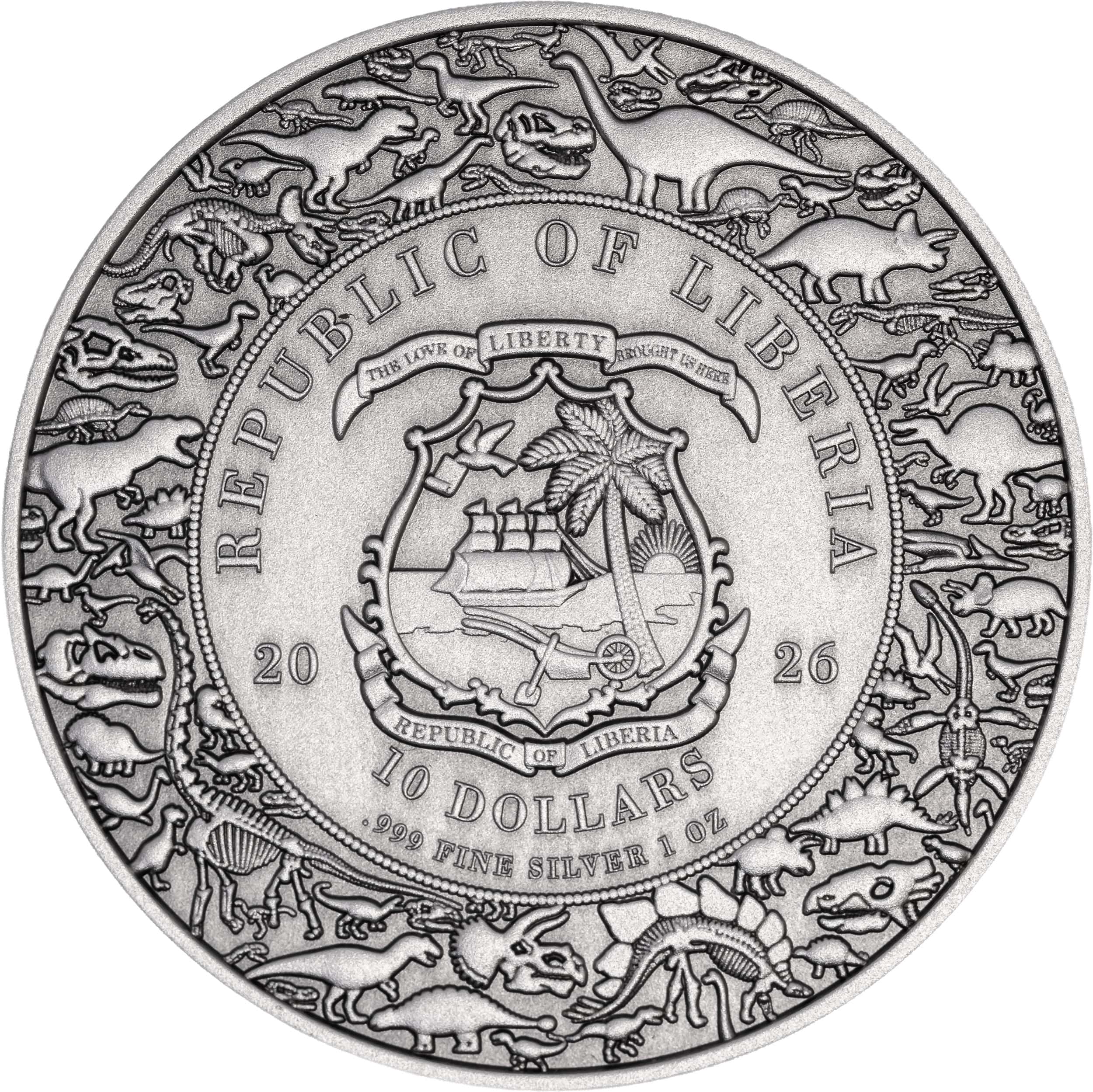
The obverse side of the coin features the coat of arms of the Republic of Liberia, surrounded by various dinosaur motif icons. The coat of arms includes the inscriptions: “REPUBLIC OF LIBERIA� (the issuing country), “2026� (the year of issue), and “10 DOLLARS� (the face value).
Background information
Dinosaurs were a diverse group of reptiles that dominated Earth for over 160 million years, from the Triassic period (about 230 million years ago) to the end of the Cretaceous period (66 million years ago). They evolved into a vast array of species, from small, feathered raptors to massive plant-eaters like Brachiosaurus and fearsome predators like Tyrannosaurus rex. Dinosaurs thrived in various environments, from dense forests to vast deserts, adapting to different climates and ecosystems.
Some dinosaurs walked on two legs, while others were quadrupedal. Many species, especially theropods, had feathers, linking them directly to modern birds. Scientists believe dinosaurs were highly social, some living in herds or caring for their young. Their reign ended with the Cretaceous-Paleogene extinction event, likely caused by an asteroid impact, wiping out most species except for birds. Today, fossils and ongoing research continue to reveal insights into their fascinating history and evolution.
Related products
-
Cameroon – 2025 – 2000 Francs – Triceratops (Lost World) 2oz silver
€ 349.00 Add to cart -
Cameroon – 2024 – 2000 Francs – Tyrannosaurus Rex (Lost World) SPECIAL COLOR EDITION
€ 349.00 Add to cart -
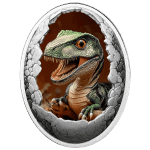
Cameroon – 2025 – 500 Francs -Tyrannosaurus Rex (Dinosauria series) 16.8g Silver
€ 89.00 Read more -
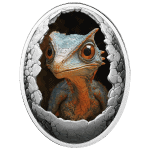
Cameroon – 2025 – 500 Francs – Pterodactylus (Dinosauria series) 16.8g Silver
€ 119.00 Add to cart -
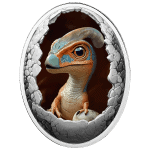
Cameroon – 2025 – 500 Francs – Parasaurolophus (Dinosauria series) 16.8g Silver
€ 119.00 Add to cart -
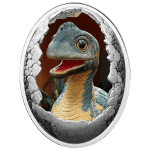
Cameroon – 2025 – 500 Francs – Brachiosaurus (Dinosauria series) 16.8g Silver
€ 119.00 Add to cart -
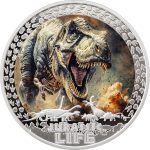
Liberia – 2025 – 10 Dollars – T-Rex (Jurassic Life series) 1oz silver
€ 199.00 Read more -
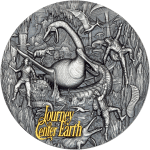
Cameroon – 2026 – 3000 Francs – Center of the Earth (Jules Verne series) 3oz silver
€ 499.00 Add to cart -
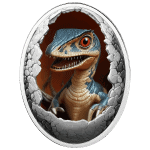
Cameroon – 2025 – 500 Francs – Velociraptor (Dinosauria series) 16.8g Silver
€ 89.00 Read more -
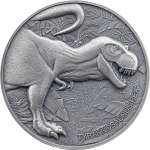
Cameroon – 2024 – 2000 Francs – Tyrannosaurus Rex (Lost World)
€ 349.00 Add to cart -
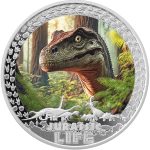
Liberia – 2025 – 10 Dollars – Velociraptor (Jurassic Life series) 1oz silver
€ 199.00 Add to cart -
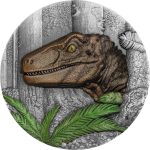
Liberia – 2025 – 20 Dollars – Velociraptor (Jurassic Life series) 2oz silver UHR Antiqued
€ 299.00 Add to cart


